Joint Pain Support
Understanding joint discomfort through
body fluid balance and internal circulation
Why does it happen?
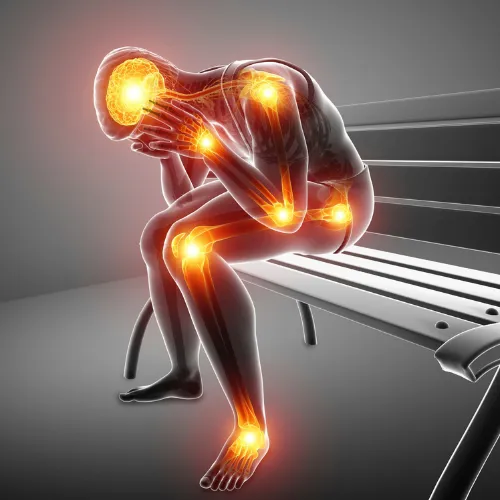
Many people assume that joint pain is an unavoidable result of aging. From a Traditional Chinese Medicine (TCM) perspective, however, joint discomfort is more often related to insufficient body fluids and impaired internal circulation, rather than age alone.
In TCM theory, joints rely on adequate nourishment and lubrication to move smoothly. When body fluids are depleted, bones, connective tissue, and nerve pathways may lose the buffering and support they need. As a result, friction increases, sensitivity rises, and discomfort becomes more noticeable. This process may feel like stiffness, aching, or restricted movement in the joints.
It is important to note that the concept of body fluids (jinye) in TCM is not identical to the Western understanding of bodily fluids. Beyond physical moisture, it also includes the smooth movement of qi and the body’s ability to distribute nourishment effectively. Simply increasing water intake does not necessarily restore this balance.
For body fluids to remain sufficient, the body must be able to generate, transform, and retain nourishing substances, while at the same time clearing what is no longer needed. This process depends heavily on healthy digestive and regulatory function. When this internal “transportation system” is weakened, beneficial substances may not be properly formed or absorbed, and waste products may linger instead of being eliminated.
Over time, this imbalance creates an environment where joints are more vulnerable. Without adequate nourishment and circulation, wear accumulates more easily, and joint pain may gradually develop—even in the absence of obvious injury.
From this holistic viewpoint, joint pain emerges from the interaction between reduced fluid support, impaired internal processing, and disrupted circulation, rather than from aging as a single, unavoidable cause.
Our Approach According to
TCM Theory……
Our approach is grounded in classical Traditional Chinese Medicine (TCM) theory, where the body is viewed as an interconnected whole rather than a collection of isolated parts.
We begin with a comprehensive observation-based assessment. This may include pulse reading and tongue observation to understand the condition of the internal organs, qi, and blood circulation. Through hands-on body assessment, we observe structural relationships involving the spine, ribs, pelvis, and limbs. Clients may also be guided through simple movements to help identify areas of imbalance, compensation, or restriction. In addition, posture, skin tone, and overall body presentation offer valuable clues about the cardiovascular, respiratory, and metabolic systems.
All of these steps help us understand what factors are contributing to the body’s imbalance, and how discomfort or pain may have developed over time. The goal is not to chase symptoms, but to determine what should be addressed first and in what order, so the body can gradually regain its own balance.
This is not a “treat the head when the head hurts” approach. Instead, we consider how different systems influence one another. In many cases, after one or several sessions—combined with appropriate adjustments in daily habits, rest patterns, nutrition, and simple corrective movements—clients are able to re-enter a healthier recovery cycle driven by their own body.
In some situations, pain has been present for a long time and may involve not only physical strain, but also mental and emotional burden. When this occurs, progress requires patience and collaboration. Sometimes the priority is to first reduce discomfort; in other cases, restoring energy and resilience comes first. These decisions are always explored on an individual basis.
Overall, our work is rooted in foundational TCM principles, with a strong emphasis on holistic thinking, personalization, and flexibility. Supporting the body as a whole—and respecting each person’s unique condition—is at the core of how we continue to learn, refine, and provide care.
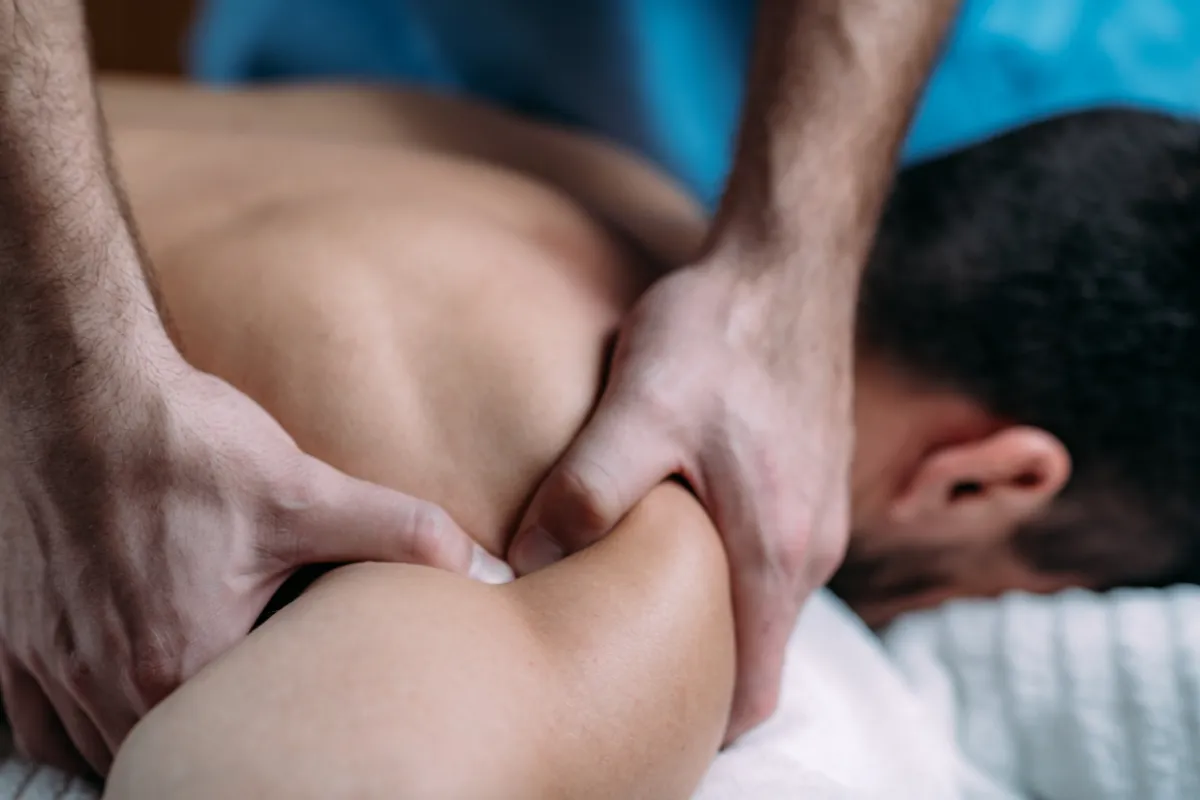
Discuss your current discomfort and explore personalized, non-invasive support options.

Shou Ren Zhai Health & Wellness Center
provides non-invasive pain support
based on Traditional Chinese Medicine theory,
serving Houston & Katy, Texas.
This page focuses on joint discomfort explained
through body fluid insufficiency,
internal circulation imbalance,
and reduced nourishment to joints,
using a holistic, consultation-based approach.
This site is not affiliated with or endorsed by YouTube, Google, or Facebook. All trademarks belong to their respective owners.
********************************************************************************************************************************************************************
This site is not affiliated with or endorsed
by YouTube, Google, or Facebook.
All trademarks belong to their respective owners.
本网站与 YouTube、Google 或 Facebook 无关联,
也未获得其认可。
所有商标均归其各自所有者所有。
****************************************************
Wahgen Inc. © 2026. All Rights Reserved.