Low-Grade Fever for 20 Days — A Classical 5-Herb Approach | Katy TX
The Fever Lasted Twenty Days.
Nobody Was Treating the Right Thing.
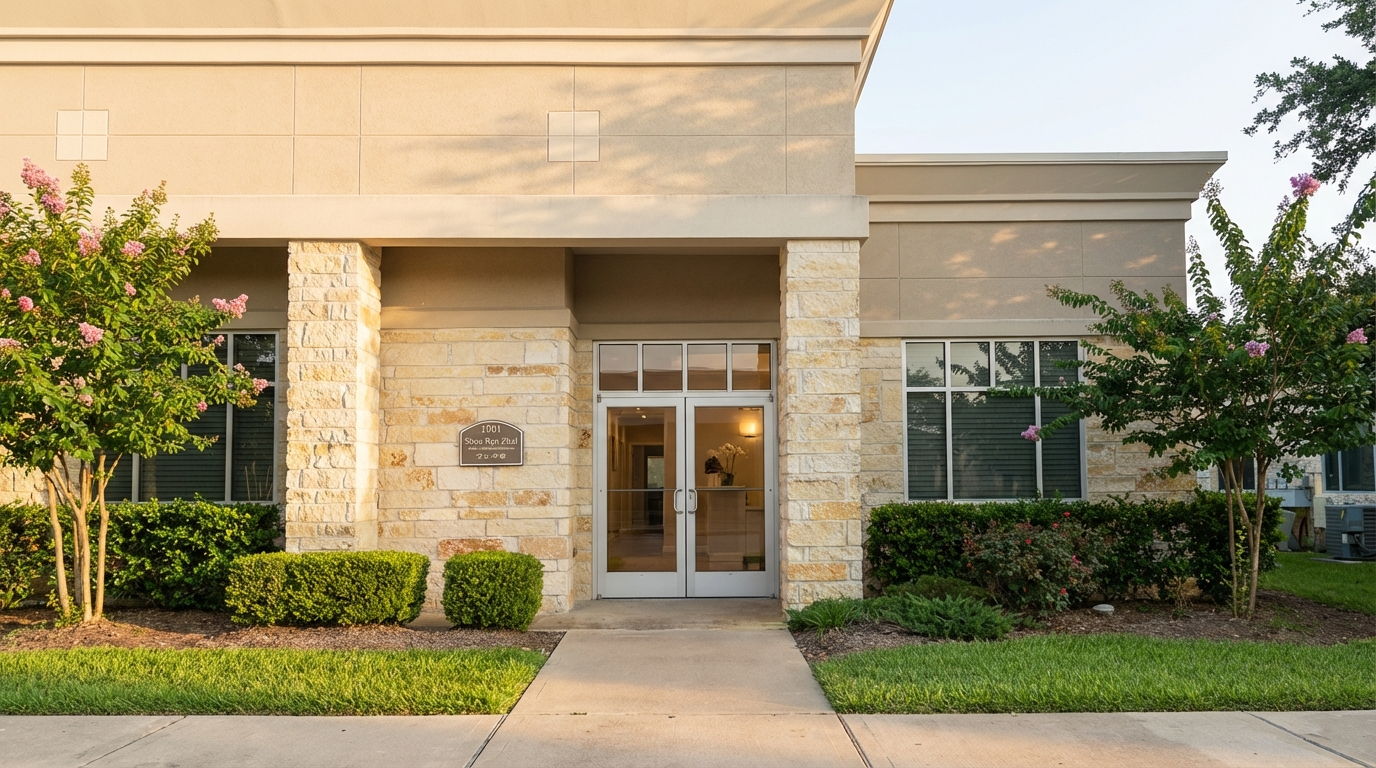
A case from Shou Ren Zhai TCM Wellness Center · Katy, TX
She was 15. It started as an ordinary cold — fever of 38.5°C, the kind that comes and goes. The doctor prescribed antipyretics and antibiotics. The high fever came down.
But it didn't go away.
For twenty days after, her temperature sat at around 37.5°C. Not high enough to alarm anyone. Not low enough to let her get back to her life. Every day, a little bit of fever. Every day, tired. Every day, not quite right.
Blood tests came back normal. Urine normal. Chest X-ray normal. ASO normal. Every test the doctors ordered found nothing wrong.
A TCM physician was brought in. He prescribed heat-clearing and detoxifying herbs — the logical choice when someone has a fever. She took two packets.
Nothing changed.
This is where the case gets interesting. Because the next physician to see her did not look at the fever and think: heat. He looked at the whole picture and asked: what kind of fever is this, and where is it coming from?
The Question Nobody Had Asked
When we see fever, most of us — trained by decades of modern medicine — think of infection, inflammation, pathogens. The body is fighting something. You give it help fighting: antipyretics to bring the temperature down, antibiotics to kill whatever might be there, anti-inflammatory herbs to cool the heat.
This logic works when the fever is from active infection. But this young woman's tests showed nothing. No pathogen. No inflammation. No structural abnormality. The high fever from the original cold had been addressed. What remained was something else.
Classical Chinese medicine has a different framework for persistent low-grade fever after illness. It is called Ying-Wei disharmony — a disharmony between the nutritive and defensive layers of the body.
Here is how to understand it:
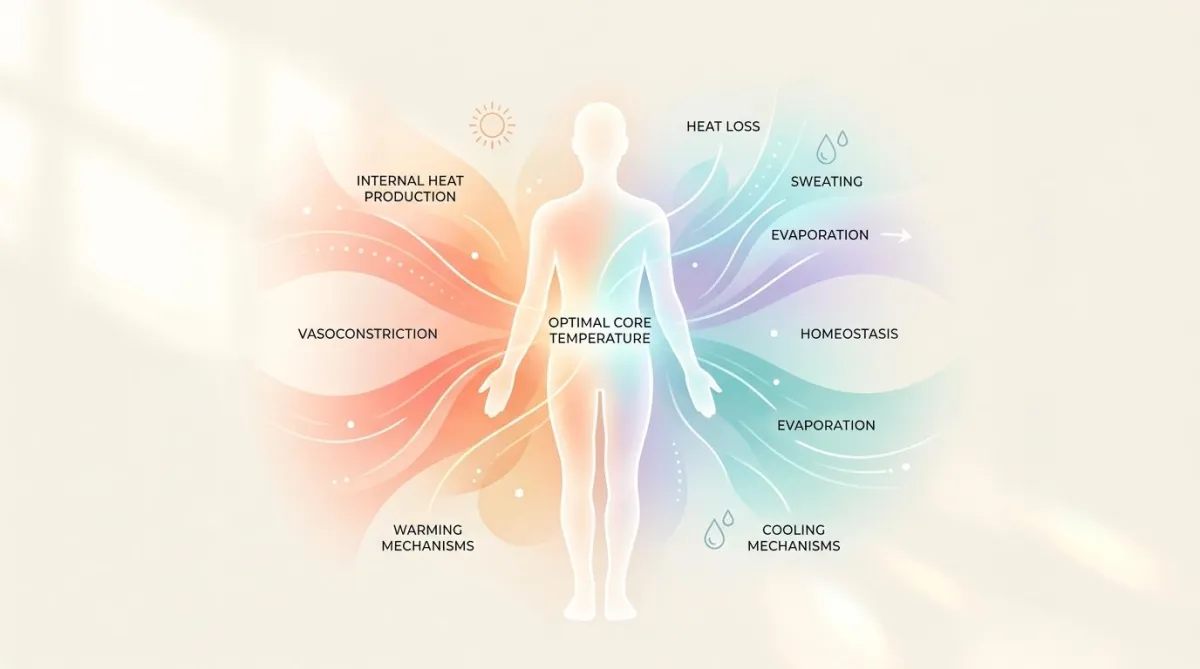
The body's defensive layer (Wei) governs the surface — regulating the opening and closing of the pores, managing the boundary between inside and outside, protecting against external pathogens. The nutritive layer (Ying) governs the interior — nourishing the organs, sustaining warmth, maintaining the body's internal balance. In health, these two layers communicate and coordinate. The surface opens when it should, closes when it should. Internal warmth stays regulated.
After an illness — especially one that was treated with suppressive measures like strong antipyretics — this coordination can be disrupted. The surface layer gets stuck in a partially open state: pores don’t close properly, the body loses a little warmth and energy with each small exertion, and the internal regulatory mechanism can’t restore the balance. The result is a persistent, low-grade fever that may not respond to standard approaches — because it isn’t caused by infection or heat. It’s caused by a dysregulated surface.
She had a mild aversion to wind. She sweated with any exertion. She was tired and lacked energy. Her appetite was poor. Her face was pale yellow. Her pulse was floating and slow at the surface position, weak and faint in the deep position.
Every single sign pointed to the same thing: the body's surface regulation had broken down. The fever was the symptom of a thermostat that was stuck open.

Guizhi Tang: The Oldest Thermostat Repair in the World
Dr. Sun prescribed Guizhi Tang — Cinnamon Twig Decoction. Five ingredients. Recorded by Zhang Zhongjing nearly two thousand years ago in the opening pages of the Shang Han Lun.
It is the most fundamental formula in the entire classical tradition — the one Zhang Zhongjing placed first, the one that establishes the basic principle from which everything else follows. It is not a fever-reducing formula. It is a surface-regulating formula.
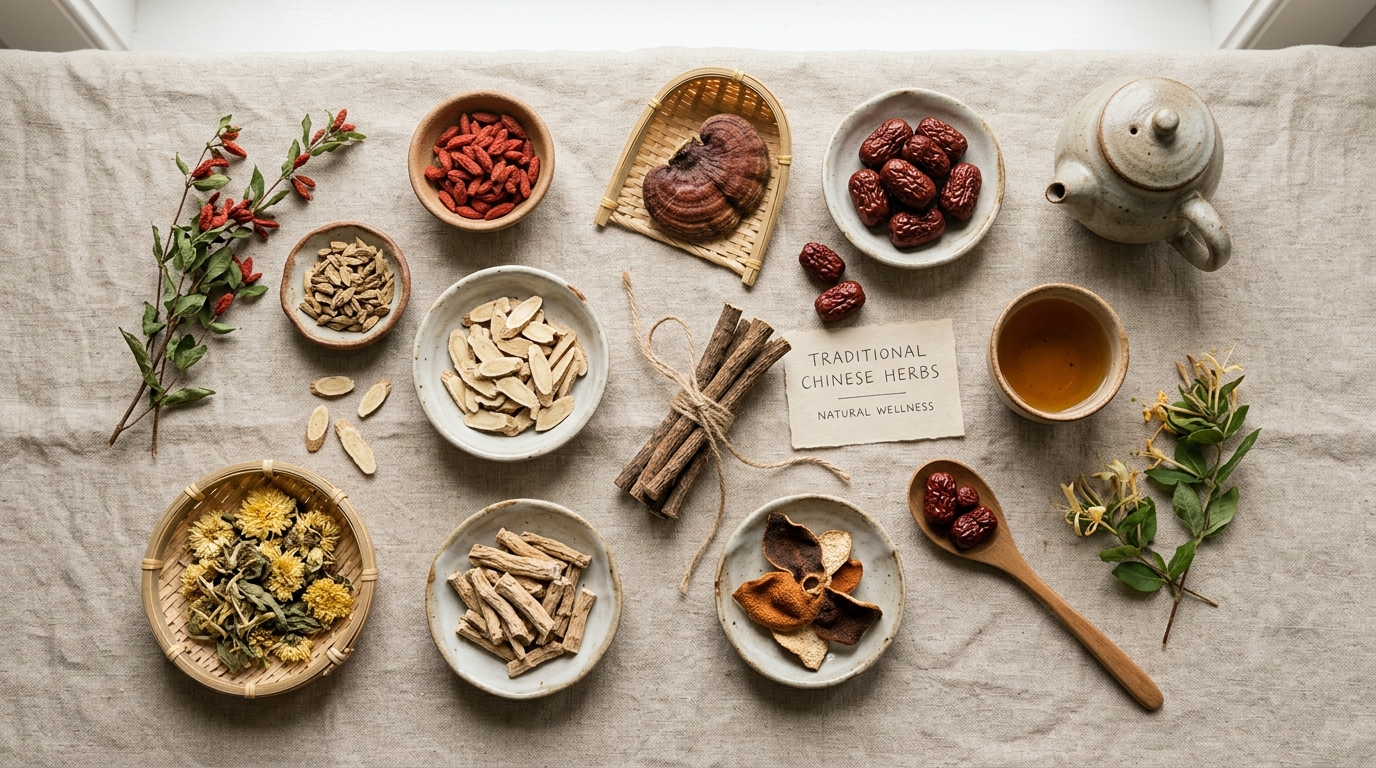
Cinnamon twig — warms and opens the surface, helping Yang energy move outward correctly. White peony — nourishes and consolidates, helping Ying energy hold inward correctly. Fresh ginger — assists the surface opening. Jujube — nourishes and supports the interior. Processed licorice — harmonizes all five, anchoring the center.
Together, they do not fight fever. They restore the conversation between the body's surface and its interior — the conversation that had broken down after the cold, leaving a thermostat stuck in an open position and a fifteen-year-old girl with three weeks of low-grade fever that no test could explain and no drug could fix.
Two packets prescribed. She took one.
Symptoms were reported to improve after the first dose — the persistent low-grade fever began to subside.
After the second packet, symptoms were reported to have largely improved. On follow-up: no recurrence.
Why This Case Matters
Persistent low-grade fever after a cold or viral illness is something that brings many patients into our clinic at Shou Ren Zhai TCM Wellness Center in Katy, TX — and increasingly, in the post-COVID era, this pattern has become more common and more recognized.
Modern medicine does not have a satisfying framework for this presentation. All tests are negative. There is no pathogen to treat. The standard course of action is to wait and see. For some patients, the fever resolves on its own. For others, it lingers for months — with fatigue, poor appetite, and an inability to return to normal function.
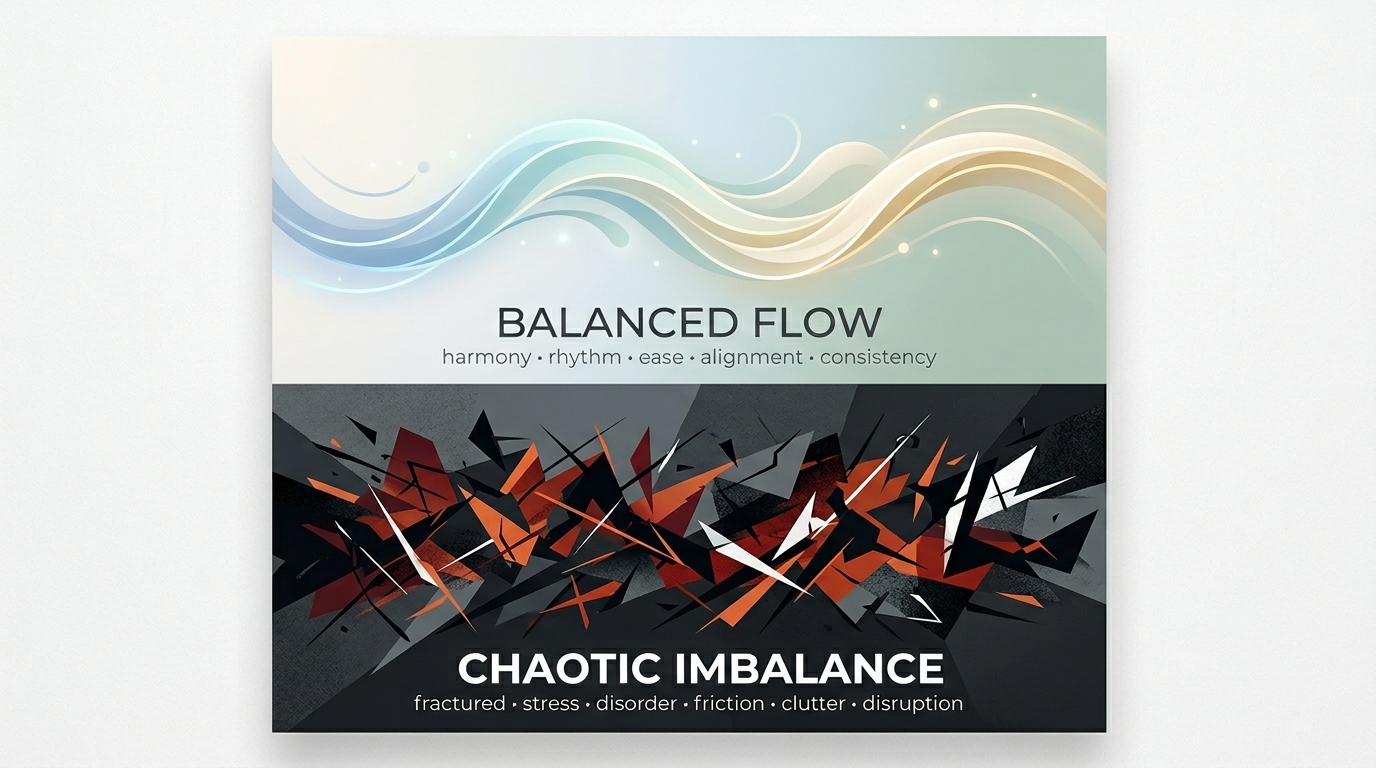
Classical Chinese medicine has had a framework for this for two thousand years. Ying-Wei disharmony. A disrupted surface regulatory mechanism following illness. A body that needs its thermostat recalibrated, not its fever suppressed.
The heat-clearing herbs the first TCM physician prescribed were not wrong in principle — they are the right approach for many fevers. They were wrong for this fever, because this fever was not from heat. Identifying which kind of fever you are treating, and matching the formula to the pattern rather than the symptom, is what classical medicine was built to do.
Five herbs. One dose. Twenty days of fever — a noticeable shift in this case.
If you or someone in your family has been dealing with a persistent low-grade fever, fatigue, or post-viral symptoms that conventional medicine has not been able to resolve — we would be glad to take a look.
Shou Ren Zhai TCM Wellness Center
守仁中医馆 · Classical Structural Chinese Medicine
440 Cobia Dr #1901, Katy, TX 77494
📞 210-861-4339·🌐 wahgen.com/shourenzhai
Post-viral symptoms, persistent fever, fatigue, and unexplained conditions —
when the tests find nothing, we look at the pattern.
Contact us to schedule a consultation.
⚠For general educational purposes only. Does not constitute medical advice, diagnosis, or treatment. Individual results vary. Please consult a licensed healthcare provider before making any health decisions. Persistent fever in children should always be evaluated by a physician. Shou Ren Zhai TCM Wellness Center is a health and wellness center, not a licensed medical clinic.
低烧二十天,退烧药退不了
五味药,一剂热退
守仁中医馆病案手记
十五岁,女孩。
感冒发烧38.5℃,打了针,吃了退烧药和抗生素,高烧是退了。
但没退干净。
此后二十多天,每天体温37.5℃左右。不高,没人把它当回事。但也不低,让人回不了正常的生活。每天一点低热,每天倦怠,每天像隔了一层什么。
血常规、尿常规、胸透、抗O,检查做了一圈,全部正常。
换了中医看诊,开了清热解毒的中药,这是发烧时最自然的思路。两剂吃完。
没有任何变化。
问题就在这里变得有意思了。因为下一位看诊的医生,没有盯着体温表上那个数字,而是问了一个不同的问题:这是什么性质的低烧,它从哪里来的?
没有人问过的那个问题
看见发烧,我们下意识的反应是:有热,祛热。退烧药降温,抗生素杀菌,清热解毒药清热——这套逻辑在感染性发烧时是对的。
但这个女孩的检查全部正常。没有病原体,没有炎症,没有异常。最初感冒时的高烧已经处理了,剩下的是另一件事。
中医对病后迁延低热有一个清晰的认识:营卫不和。
用一个比喻来理解:
卫气守表——管理体表的开合,调节汗孔,守住身体与外界的边界。 营气守里——濡养脏腑,维持内在的温煦与平衡。 正常状态下,营卫相互协调,表里沟通,该开则开,该合则合。
一场感冒,尤其是经过退烧药强行压制之后,这种协调可能被打乱。体表的卫气停在了一个半开的状态——毛孔不能正常收合,稍微动一动就出汗,内在的温煦不断从表面漏出去,身体的调节机制无法恢复平衡。结果就是这种持续的、低档的、找不到原因的低热。
这种低热,既不是感染性的,也不是真正的热证。常规治法往往难以见效——因为根本不是热的问题,是表的问题。
她微微怕风。 稍微动一动就出汗。 倦怠乏力。 吃饭不香。 面色萎黄,精神颓靡。 脉象:寸脉浮缓,尺脉微弱。
每一个症状都指向同一件事:体表的调节机制失常了。低烧,是一个卡在开位的恒温器发出的信号。
桂枝汤:世界上最古老的恒温器修复方
老孙开的是桂枝汤。五味药。张仲景《伤寒论》开卷第一方,近两千年前。
它不是退烧药。它是调和营卫的方子。
桂枝——辛温解肌,助卫气向外正常运行。 白芍——酸收养营,助营气向内正常固守。 生姜——助桂枝开表散邪。 大枣——补中滋营,充养内里。 炙甘草——调和诸药,守中益气。
五味药合在一起,不是对抗发热,而是恢复营卫之间的对话——那场因感冒而中断的对话,让表里重新沟通,让失调的恒温器重新归位。
开了两剂。
第一剂服完,低热开始消退。
第二剂服完,诸症悉除。随访未再复发。
这个案子说的是什么
感冒后迁延低热,在守仁中医馆是很常见的就诊原因。尤其近年,大病之后、病毒感染之后,这类长期低热、乏力、无法恢复的状态越来越多。
现代医学对这类表现没有令人满意的框架。检查全部阴性,没有细菌可杀,没有炎症可消。通常的处理是等待。有些人自己好了,有些人拖了数月,带着疲乏和低热,无法回到正常状态。
中医对这件事有两千年的认识。营卫不和。病后体表调节机制失常。身体需要的不是继续压制发热,而是重新校准那个卡住的恒温器。
第一位中医开的清热解毒药,从道理上说不错——很多发烧确实该清热。但它对这个发烧未见效果,因为这个发烧根本不是热证。辨清楚你在治的是哪种发烧,让方子对应病机而不只是对应症状,这正是经方的价值所在。
五味药。一剂。二十天的低烧,退了。
如果你或你的孩子,感冒之后迟迟低热不退、乏力不复、检查找不到原因——守仁中医馆也许能帮你找到那个被忽视的问题。
守仁中医馆 · Shou Ren Zhai TCM Wellness Center
结构中医 · Katy, Houston TX
440 Cobia Dr #1901, Katy, TX 77494
📞 210-861-4339·🌐 wahgen.com/shourenzhai
感冒后遗症、迁延低热、疲乏无力、检查无异常——
找不到原因的时候,我们换个角度看。
联系我们,预约初诊。
⚠ 本文为教育性内容,不构成医疗建议或诊断方案。每位患者情况不同,疗效存在个体差异。儿童持续发热应由医生评估。请在做出任何健康决策前咨询具备执照的医疗专业人员。守仁中医馆为健康wellness中心,非医疗诊所。
© 2026 守仁中医馆· Shou Ren Zhai TCM Wellness Center · Katy, Houston TX